
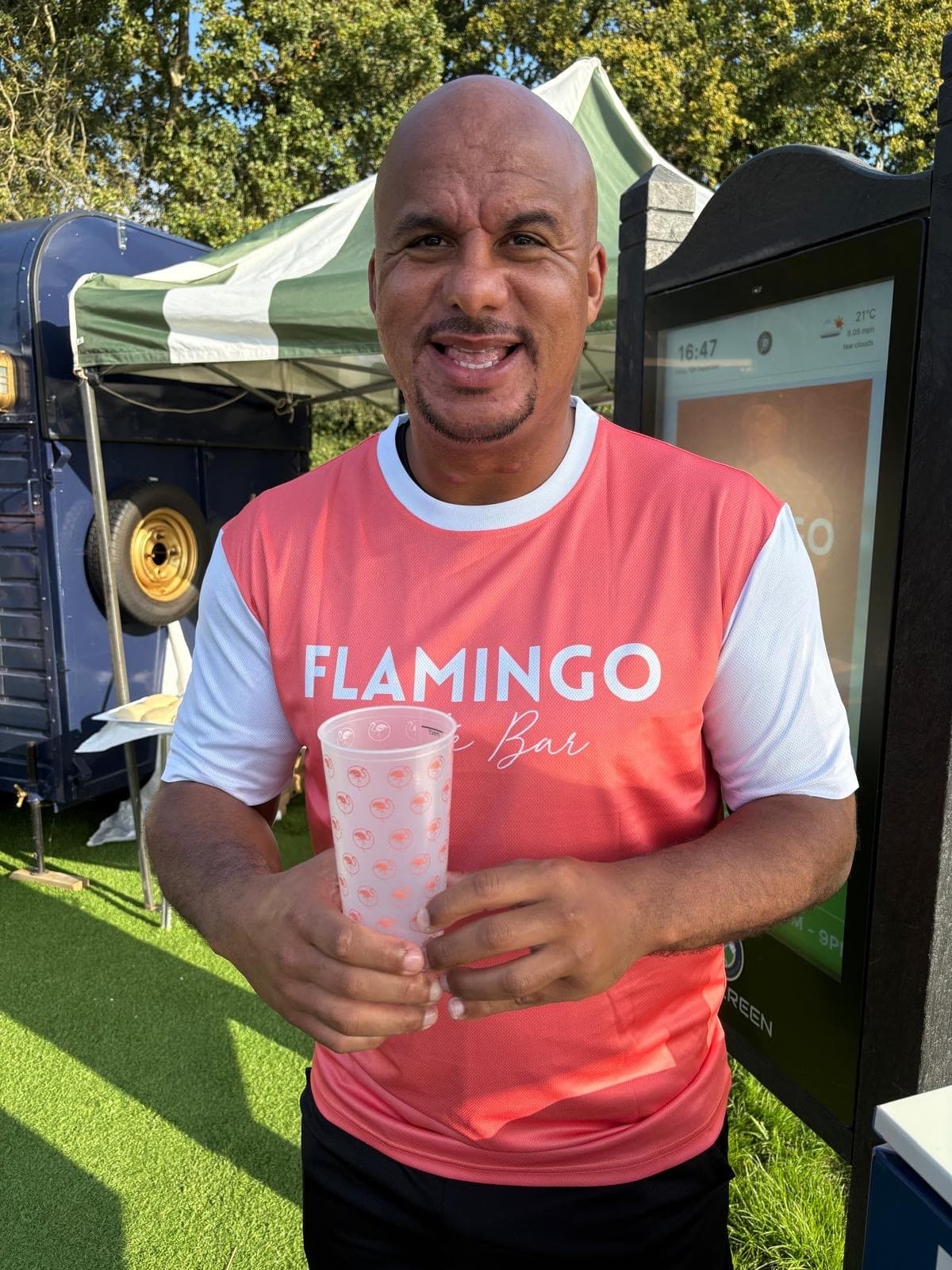
Festival cup planning comes down to two things: ordering at the right time and ordering the right quantity. Get either wrong and you are either paying rush fees for last-minute production or watching your bars grind to a halt when stock runs dry on Saturday afternoon.
Whether you are running a 500-capacity community festival or a multi-stage event for 20,000, the planning principles are the same. This guide walks you through the timeline, the maths, and the common pitfalls that catch organisers out every season. If you are still deciding on cup type, start with our full range of festival cups and come back here once you have made your selection.
The Planning Timeline
The single biggest variable in cup procurement is lead time. Our standard production window is 10 working days for printed cups, but that does not account for artwork approval, proofing rounds, or shipping. Work backwards from your event date and give yourself breathing room.
The safe zone. Finalise artwork, approve proofs, and place your order with plenty of buffer for revisions or unexpected delays.
Comfortable. Standard 10-day production still fits with a reasonable buffer for delivery and quality checks.
Express territory. Achievable, but may incur surcharges for expedited production. Artwork must be print-ready on day one.
Emergency only. 48hr express is available on plain stock, but printed cups are unlikely at this stage.
If you need custom festival cups with bespoke artwork, factor in at least one round of proofing on top of the production window. Submitting print-ready files from the outset will save you days.
How to Calculate Quantity
The formula is straightforward: Attendees x Average drinks per person x Cup loss rate. The challenge is getting realistic numbers for each variable.
Worked example: A 5,000-capacity festival running a deposit scheme, estimating 4 drinks per attendee. That gives you 5,000 x 4 x 1.2 = 24,000 cups. Always round up to the next price break - running out mid-event costs far more than a modest over-order.
Stock for Deposit Scheme Operations
If you are running a cup deposit scheme, you do not need one fresh cup per drink served. Cups cycle through the wash system and return to the bar, so the question becomes: how many cups do you need in circulation at peak capacity?
A practical ratio is 1.5 cups per concurrent drinker at peak. If your peak concurrent attendance at the bar is 2,000 people, you need around 3,000 cups in active rotation. The rest of your stock covers losses, breakages, and the initial rollout before the wash cycle reaches full throughput.
Factor in wash turnaround time. If your wash station processes 500 cups per hour but your bars are serving 1,000 per hour at peak, you will drain your float quickly. Match your wash capacity to your service speed, or increase your starting float to compensate. Browse our full festival cup range to find the right product for your deposit operation.
Common Mistakes
After working with hundreds of events, we see the same errors repeated each season. Here are the ones to avoid:
Under-ordering
Running out mid-event forces emergency purchases at premium prices - often double or triple the unit cost of a planned order.
Ordering too late
A standard 10-day lead time means placing your order 3 days before the event is simply too late for printed cups.
Not allowing for cup loss
Unreturned cups, damaged cups, and staff pilferage all eat into your stock. Build a 20-50% buffer into every order.
Forgetting to order half pints
Spirits bars need a different size. A single vodka and mixer looks lost in a full pint cup. Make sure you order half-pint festival cups for your spirits and cocktail bars.