

In short
- Polycarbonate is the clearest, most glass-like plastic, but it is made with BPA and can cloud with harsh washing over time.
- Polypropylene is lighter, BPA free, shatterproof and copes with repeated commercial washing. It is the standard for event, festival and stadium cups.
- Tritan is a clear, BPA-free alternative to polycarbonate; PET is usually thin and single-use; acrylic is clear but brittle.
- For high-volume bars, deposit schemes and printed branding, polypropylene gives the best mix of durability, weight and print quality.
- For serving draught beer by the pint, the material matters less than the marking: the cup must be a certified legal measure, such as UKCA.
Polycarbonate vs polypropylene comes down to one trade-off: polycarbonate looks most like glass, while polypropylene is lighter, BPA free and built for the hot, fast, repeated washing that busy bars and events depend on.
We make reusable polypropylene cups at our factory in Stockton-on-Tees, so we have a side in this. But the other materials have their place, and a fair comparison helps you buy the right thing. This guide sets out what each plastic is, how it behaves in real service, and which suits which kind of venue.
What are polycarbonate glasses?
Polycarbonate (PC) is a tough, transparent engineering plastic. Polycarbonate glasses are the heavy, crystal-clear tumblers and pint glasses you see at pool bars, on boats and in some pubs. At arm's length they pass for glass.
The strengths are clarity and impact resistance. Polycarbonate is very hard to break, which is why it is used for safety glazing as well as drinkware.
The drawbacks are worth knowing before you buy. Polycarbonate is made using bisphenol A (BPA), so a true polycarbonate glass is not BPA free. It is also more expensive per piece, heavier to carry in quantity, and its surface can scratch and craze over time, particularly with strong detergents and high wash temperatures. Once a polycarbonate glass clouds, its main selling point has gone.
What are polypropylene cups?
Polypropylene (PP) is a lighter, slightly flexible plastic with a translucent or frosted finish. It is the material behind most reusable festival, stadium and event cups in the UK, including every cup we make.
Polypropylene flexes rather than cracks when it is dropped or squeezed in a crowd, so it is shatterproof in everyday use. It is food safe and BPA free, it handles hot water and detergent well, and it is light enough for staff to carry crates of clean cups without strain. Our cups are glasswasher and dishwasher safe and built for 200+ commercial dishwasher cycles.
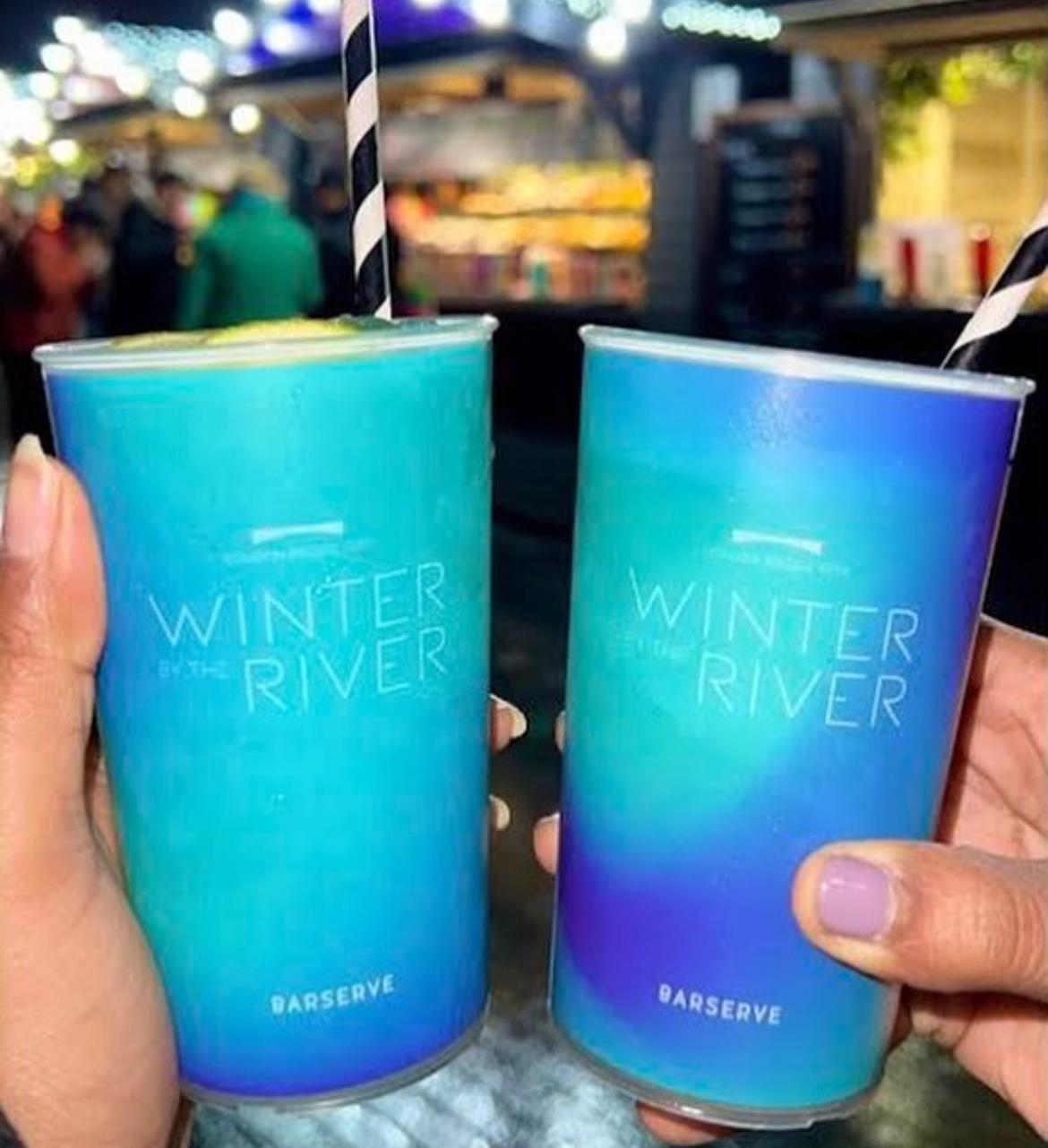
The frosted body has a practical bonus for branding. A full colour design printed by in-mould labelling (IML) sits bright and sharp against it, and because the printed label is fused into the cup wall, it is designed to last through those washes. You can see the range on our reusable plastic cups page.
What about Tritan, PET and acrylic?
Tritan is a brand of copolyester developed as a clear, BPA-free alternative to polycarbonate. It looks glass-like and is popular for premium reusable tumblers and wine glasses. It generally costs more per piece than polypropylene.
PET (polyethylene terephthalate) is the plastic in clear disposable pint cups and drinks bottles. Event PET cups are usually thin and designed for one use, so they belong in a different category from reusable drinkware.
Acrylic (PMMA) is very clear and glossy, and often used for picnic and poolside sets. It is rigid but brittle: dropped on a hard floor, it is more likely to crack or shatter than polycarbonate or polypropylene, and it does not suit high-temperature commercial washing.
Polycarbonate vs polypropylene vs Tritan vs PET vs acrylic: side by side
The table below compares the five materials on the points that matter in service. These are general characteristics of each plastic; individual products vary with wall thickness and design.
| Material | Clarity | Weight | Impact resistance | Commercial washing | BPA | Resin code |
|---|---|---|---|---|---|---|
| Polypropylene (PP) | Translucent, frosted | Lightest | Flexes rather than cracks | Handles repeated hot washing well | BPA free | 5 |
| Polycarbonate (PC) | Glass-clear | Heavier | Very high | Can craze or cloud with harsh detergent over time | Made with BPA | 7 |
| Tritan (copolyester) | Glass-clear | Medium | High | Generally good | BPA free | 7 |
| PET | Clear | Very light (thin wall) | Low when thin | Usually single-use | BPA free | 1 |
| Acrylic (PMMA) | Very clear, glossy | Medium | Brittle, can crack | Not suited to high-temperature washing | BPA free | 7 |
Which is the clearest plastic glass?
Polycarbonate, Tritan and acrylic are the clearest, and the closest to glass. If your customers expect to see the colour of a craft beer or a cocktail through the side of the glass, and the setting is controlled, a clear plastic tumbler makes sense.
Polypropylene is translucent rather than clear. That suits most event bars, where the cup carries a printed design anyway. A full colour IML print wraps around 95% of our cups, so the artwork, sponsor logos or event branding become the view rather than the drink.
Which lasts longest behind a busy bar?
Durability is not one number. It depends on what the cup goes through: drops onto concrete, crushing in a crowd, and dozens of passes through a hot commercial glasswasher.
Polycarbonate resists impact extremely well, but surface scratching and chemical attack from strong detergents can leave it cloudy, which is often why polycarbonate glasses are retired. Acrylic looks smart but cracks the easiest when dropped. Polypropylene's flexibility is its advantage in crowds: it gives instead of breaking, and it copes with repeated commercial washing. That is why we rate our cups for 200+ commercial dishwasher cycles.
For a fuller view of how long a reusable cup lasts in practice, read our guide to reusable plastic cups.
Is polycarbonate safe? The BPA question
Polycarbonate is made with bisphenol A, so it cannot be described as BPA free. It has been widely used for food-contact products and is regulated for that use, but many venues and buyers now choose BPA-free drinkware as a matter of policy.
If you want a clear, glass-like plastic without BPA, Tritan is the usual alternative. If you want a BPA-free cup that is light, shatterproof and printable for events, polypropylene is the standard choice. Our cups are food-safe, BPA free polypropylene.
Which material suits which venue?
Use this as a starting point. The right answer depends on how many cups you need, how they are washed and whether they carry branding.
| Venue or use | Best fit | Why |
|---|---|---|
| Festivals and outdoor events | Polypropylene | Light, shatterproof, printable, cheap to replace if lost, suits deposit schemes |
| Stadiums and arenas | Polypropylene | High volume, fast commercial washing, legal measure pints and halves, sponsor branding |
| Beer gardens and pub patios | Polypropylene or polycarbonate | Polypropylene for volume and branding; polycarbonate where a glass-like look matters most |
| Pool bars and hotels | Tritan or polycarbonate | Lower volumes, premium look, careful washing |
| Weddings and private parties | Polypropylene | Personalised full colour print, guests can take a cup home |
| One-off sampling | PET | Thin and single-use; not designed to come back for washing |
Can plastic pint glasses be legal measures?
Yes, if they carry the right marking. Whatever the material, a vessel used to serve a stated measure of draught beer or cider in Great Britain needs a conformity mark such as UKCA. Without it, the cup can hold the right volume and still not be a legal pint.
Our pint cups, half pint cups and 2 Pint cups are UKCA certified, as is every Stack Cup™ we make. The Pint to Line holds 568ml at the line with 625ml to the brim, so you can pour a proper head. Our UKCA certified cups page explains the marks, and our guide to reusable plastic pint cups covers the pint range.
Recycling: resin codes 5, 7 and 1
Polypropylene is resin code 5. Polycarbonate, Tritan and acrylic fall under code 7, the "other plastics" group, which is harder to recycle through standard routes. PET is code 1 and widely collected, but as a thin single-use cup it is used once before it gets there.
For reusable drinkware, the bigger gain is reuse. A polypropylene cup that goes back behind the bar for 200+ washes replaces hundreds of disposable cups, and at the end of its life it is recyclable where facilities accept polypropylene. Our sustainability page covers how reuse schemes work, and our washing and storage page covers the practical side of keeping cups in service.
How to tell which plastic you are buying
Supplier listings often just say "plastic glasses" or "unbreakable glasses". Before you order in bulk, check four things.
- The resin code. Look for the number in the recycling triangle on the base or in the specification: 5 for polypropylene, 1 for PET, 7 for polycarbonate, Tritan and acrylic.
- The BPA statement. If a clear, glass-like tumbler is described as BPA free, it is not polycarbonate. Ask what it is made from.
- The washing claim. Ask whether the cups are rated for commercial glasswashers and roughly how many cycles. "Dishwasher safe" on a domestic product is not the same as a busy bar running cups through all night.
- The measure marking. If you serve draught beer or cider by the pint or half, check the cup carries a legal measure mark such as UKCA, not just a printed line.
Ask for samples too. Holding the cup tells you more about weight, rigidity and finish than any listing, and we are happy to send them.
So, polycarbonate or polypropylene?
Choose polycarbonate, or the BPA-free Tritan, when a glass-like look is the priority, volumes are modest and the glasses will be washed with care. Choose polypropylene when you need hundreds or thousands of cups that are light, shatterproof, BPA free, printable in full colour and able to take repeated commercial washing.
For most event bars, stadiums and festivals, that makes polypropylene the practical answer. Plain cups such as our plain stock range are dispatched in 3 working days, and printed cups start from 50, with a free digital proof before anything is made. If wine is on the menu, our wine cups bring the same material to stemless and stacking shapes. Comparing plastic with real glass instead? Read printed plastic pint glasses vs glass.